
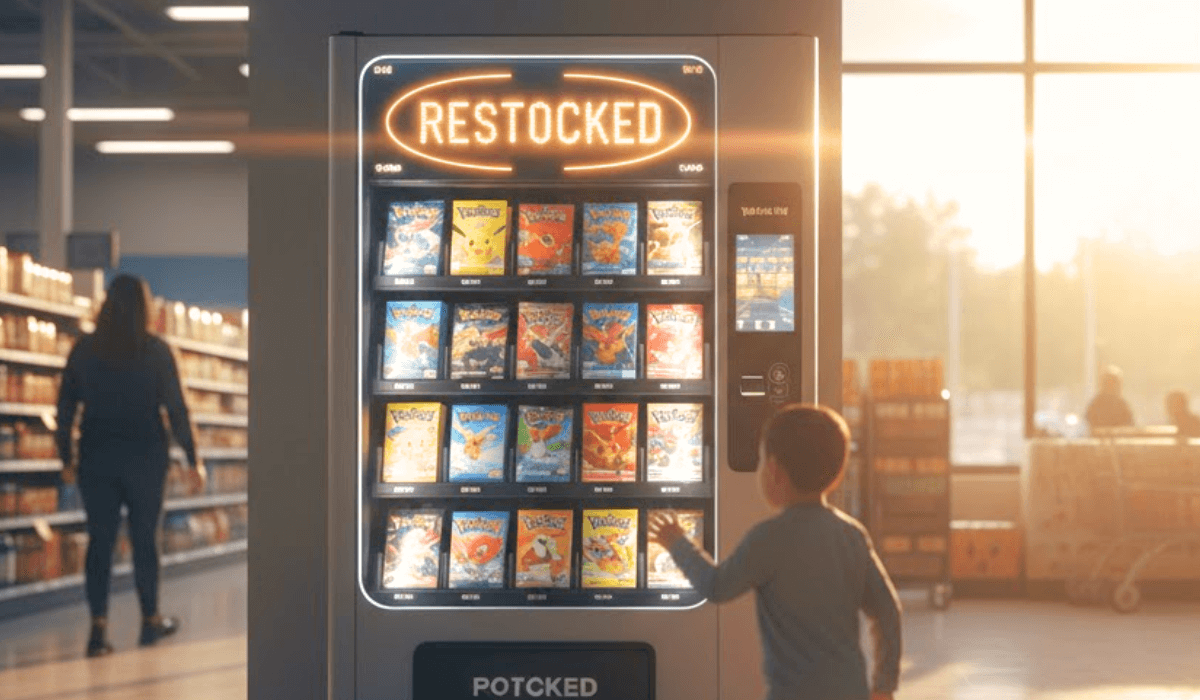
If you’ve ever made a special trip to a Pokémon vending machine only to find it completely sold out, you know how frustrating the mystery of restock schedules can be. For collectors hunting rare packs, exclusive promos, or newly released sets, knowing when do Pokémon vending machines restock can mean the difference between scoring that chase card and going home empty-handed. The challenge? There’s no universal restock schedule published anywhere. Timing varies dramatically based on the retailer hosting the machine, local store traffic patterns, regional logistics networks, and even seasonal demand spikes during new set releases.
This comprehensive guide breaks down everything collectors need to know about Pokémon vending machine restock patterns. We’ll explore typical frequency ranges reported across different retail environments, explain the logistics behind who fills these machines and when, share community-tested tracking methods, and provide actionable tips to maximize your chances of finding freshly stocked machines. Whether you’re checking Kroger locations weekly or monitoring independent retailers in your area, understanding these patterns will save you time and gas money while improving your odds of finding that perfect pack.
Quick Summary: Key Takeaways
- No universal schedule exists — when Pokémon vending machines get restocked depends on individual retailer logistics, store traffic volume, and contracted vending operators
- Typical frequencies range widely: high-traffic locations often restock weekly or multiple times monthly; medium-traffic stores every 2-4 weeks; low-traffic or rural locations monthly or less
- Best tracking methods: community reports on Reddit/Discord, manual logging with timestamps and photos, direct contact with store management or vending support lines
- Timing patterns collectors report: machines often refresh after store delivery days, typically mornings (before noon) or evenings after staff restocking periods
- Official support available: many vending machine networks have customer service lines (e.g., 1-866-872-4790, operating 6 AM–8 PM PT) for reporting issues or inquiring about specific machines
How Pokémon Vending Machines Are Stocked
Understanding the mechanics behind restocking helps explain why schedules vary so much. Pokémon TCG vending machines are typically owned and operated by specialized vending companies that contract with retailers like grocery chains, big-box stores, and shopping centers. In most cases, a dedicated vending route operator is responsible for monitoring inventory levels, delivering new product, and performing maintenance across multiple machines in a geographic region.
These machines stock a variety of Pokémon products including standard booster packs from current and recent sets, special promotional packs, Elite Trainer Boxes (when size permits), collection boxes, and occasionally exclusive vending-only promos. Machine capacity varies by model but typically holds between 100-300 individual items depending on configuration and product mix. Physical space constraints mean operators must balance variety against quantity for each SKU.
The restocking process follows the vending operator’s route schedule, which is built around retailer receiving windows, traffic patterns, and contractual service agreements. Unlike store-stocked trading card sections where staff can restock during any shift, vending machines require the operator to physically visit with inventory. This logistical reality — combined with factors like delivery schedules, product availability from distributors, and demand fluctuations — directly drives when machines refresh and why that timing varies so much between locations.
Typical Restock Patterns & Frequency
When collectors ask “how often do Pokémon vending machines restock,” the honest answer requires context about the specific location. Based on community reporting and collector experiences across different regions, several frequency tiers emerge:
High-traffic locations in major metropolitan areas — think flagship supermarkets in dense suburbs, major mall locations, or retail hubs near universities — often see restocks weekly or even multiple times per month. These machines generate higher sales volume, justifying more frequent operator visits. During hot new set releases like special anniversary editions or crossover promotions, some high-performers may receive product refreshes twice weekly.
Medium-traffic locations such as standard grocery stores in mid-sized cities, suburban Targets or Walmarts, and regional shopping centers typically experience restocks every 2-4 weeks. These represent the most common scenario for the majority of Pokémon vending machines. Operators balance route efficiency by grouping several medium-traffic machines into periodic service loops.
Low-traffic or rural locations including small-town convenience stores, isolated retail locations, or underperforming machines may only restock monthly or even less frequently. In some cases, if sales don’t justify the route stop, machines might sit empty for extended periods or be removed entirely.
Why Schedules Vary
Several key factors explain the inconsistency in when the Pokémon vending machines restock:
Retailer logistics and delivery windows: Vending operators often coordinate their routes with host store receiving schedules to minimize disruption and maximize efficiency. A store that receives truck deliveries Tuesday and Friday mornings may see its vending machines serviced on those same days.
Product demand spikes: New set launches, special promotional releases, and holiday seasons create temporary demand surges. Operators may accelerate restock frequency during these periods or, conversely, struggle to keep machines filled if distributor supply is constrained.
POS (point of sale) shrinkage and security concerns: Unfortunately, theft and vandalism affect some machines more than others. Locations with chronic issues may see reduced restock frequency or product value limits as operators try to minimize losses.
Operational economics: The vending business model requires balancing service costs against revenue. Routes are optimized for profitability, meaning machines in less populated areas naturally receive less frequent attention than urban high-performers.
Supply chain disruptions: COVID-era impacts on printing, distribution, and logistics created lasting effects on Pokémon TCG availability. While supply has normalized significantly, allocations to vending channels can still fluctuate based on overall market conditions.
Restock Timing: Days & Times Collectors Report
While precise schedules are rarely made public, experienced collectors have identified patterns by tracking when they find freshly stocked machines. Understanding when do Pokémon vending machines get restocked during the day or week can significantly improve your hunting efficiency.
Weekday mornings emerge as the most commonly reported refresh window, particularly early in the week (Monday through Wednesday). This aligns with typical retail receiving patterns where stores accept deliveries overnight or early morning, with vending operators making rounds shortly after. Checking machines before midday often yields the best results.
Weekday evenings represent another peak window, especially at retailers where in-store restocking happens during slower afternoon or evening shifts. If you notice store employees actively restocking shelves around 5-7 PM, there’s a reasonable chance vending operators might service machines during similar windows.
Weekend timing proves less predictable. High-traffic weekend foot traffic means machines may sell out rapidly even if restocked Friday night or Saturday morning. Conversely, some operators avoid weekend service calls due to increased labor costs or contractual schedules that prioritize weekday routes.
Practical Heuristics for Timing
Collectors can improve their odds by applying these community-tested strategies:
- Check after store delivery days: Many retailers post receiving schedules or you can observe truck patterns over 2-3 weeks. Machines often refresh within 24 hours of major store deliveries.
- Morning advantage: Visit before noon when machines are most likely to still have stock if restocked that day.
- Avoid peak shopping hours: Even freshly stocked machines can empty within hours at busy locations during weekends or promotional periods.
- Ask store management: Friendly inquiry with customer service desks about vending service days sometimes yields useful information, though staff may not always know specific schedules.
- Use official support lines: For urgent questions about specific machines, contact the vending operator’s customer service. Many networks operate support lines like 1-866-872-4790 (6:00 AM – 8:00 PM PT) where agents can sometimes provide last service dates or forward inquiries to route operators.
How to Track Restocks: Data & Tools
Successfully tracking when Pokémon vending machines refresh requires combining community intelligence with personal observation. Here’s how dedicated collectors are solving the restock puzzle:
Community Crowdsourcing
Online collector communities on Reddit (subreddits like r/PKMNTCGDeals, r/PokemonTCG), Discord servers dedicated to TCG hunting, and Twitter/X hashtag communities (#PokemonVending, #TCGHunting) function as real-time restock intelligence networks. Members share finds with photos, timestamps, and locations. When using these reports, verify the date and time zone, cross-reference with your local machines, and understand that popular machines get reported more frequently (creating sampling bias toward high-traffic locations).
Manual Logging System
Serious trackers maintain spreadsheet logs to identify patterns over time. A simple CSV structure works well:
Sample tracking columns:
date(YYYY-MM-DD)time(HH:MM local)machine_id(location identifier)retailer(chain name)cityandstateproduct_set(what was stocked)stock_level(full/partial/empty)photo_url(verification)last_verified(timestamp of confirmation)
Example entry: 2025-03-15,09:30,KrogerMainSt,Kroger,Columbus,OH,Temporal Forces,full,imgur.com/abc123,2025-03-15T09:30:00
Building a personal database over 4-8 weeks reveals location-specific patterns like whether a machine restocks every Tuesday or follows a bi-weekly schedule.
Automated Alerts
Tech-savvy collectors use several automation strategies:
- Google Alerts: Set alerts for phrases like “Kroger Pokemon vending [your city]” or specific machine locations to catch forum posts and social media mentions
- Social listening tools: Free tools like TweetDeck or Hootsuite can monitor hashtags and keywords in real-time
- Discord bots: Some community servers run custom bots that aggregate reports and send notifications when multiple users confirm restocks at tracked locations
- IFTTT/Zapier workflows: Create custom notifications triggered by new posts in tracking channels
Store Contact & Official Support
Don’t overlook direct communication. Store management can sometimes share vending service day windows (even if not exact times). For machines that seem broken, empty for extended periods, or have billing issues, contacting the vending operator’s customer service line directly often proves most effective. Have the machine ID (usually printed on the unit), store location, and specific issue ready when calling.
Data Collection Best Practices
To make tracking effective across the community:
- Include timestamped photos: Show the machine screen displaying available products with clear date/time in frame or image metadata
- Record machine ID numbers: Physical identifiers on the machine itself help distinguish between multiple units at large retailers
- Note full vs. partial restocks: Was the machine completely refilled or just topped off? This reveals whether operators fully service machines each visit or spread inventory across routes
- Respect privacy: Don’t include faces or personally identifiable information in shared photos
- Watch for false reports: Verify before acting on single-source claims; wait for corroboration from multiple collectors
Common Pitfalls
Tracking data can mislead if you don’t account for:
- Time zone confusion: A report from 8 AM EST looks like 5 AM PST — always convert to local time
- Duplicate reports: The same restock may be reported by multiple people; log unique events
- Sampling bias: Popular, accessible machines get reported far more than rural or inconvenient locations, skewing perceived patterns
- Verification lag: A machine reported “full” may have sold out hours before you arrive during high-traffic periods
Data Analysis Ideas for Advanced Trackers
Once you’ve collected several weeks of data, simple analysis reveals actionable patterns:
Restock frequency histogram: Graph the number of days between restocks for each machine. A tight distribution (e.g., 6-8 days consistently) indicates a reliable schedule; wide variation suggests irregular servicing.
Average restock days by retailer: Compare whether Kroger locations in your area consistently restock on different patterns than Target or independent stores. Chain-wide logistics policies often create retailer-specific trends.
Busiest restock months: Track which months see most frequent service. New set release windows (typically quarterly) often correlate with increased restock frequency as operators capitalize on demand.
Weekday/time heatmap: Visualize restocks by day of week and time of day. You may discover that 80% of restocks at your tracked machines happen Tuesday-Thursday mornings, for example.
Time-series tracking: Plot restock events over time for individual machines to spot schedule changes, seasonal variations, or declining service frequency that might indicate a machine is being phased out.
Statistical caveat: Remember that your dataset likely overrepresents frequently visited, high-traffic machines. Drawing conclusions about “all Pokémon vending machines” from community data requires acknowledging this sampling bias.
Practical Tips for Collectors
Maximizing Your Chances
- Subscribe to local channels: Join city-specific or regional TCG hunting Discord servers and Reddit communities where collectors share real-time finds
- Set calendar reminders: When major new sets release, mark your calendar to check machines daily for the first week as operators race to stock hot products
- Check multiple machines in one trip: Plan efficient routes visiting 3-5 machines at nearby retailers rather than making separate trips
- Look for visual cues: Many machines display product availability on-screen; some collectors share photos showing full stock that others can reference before visiting
- Build relationships: Friendly conversations with store employees sometimes yield tips about service days, though be respectful and don’t expect inside information
Community Etiquette
- Don’t spam store staff: Repeated daily inquiries about vending machines frustrate employees who have no control over external vendor schedules
- Report broken machines responsibly: If a machine malfunctions, take a photo, note the machine ID, and report through proper channels (store management and vending operator support) rather than just posting complaints online
- Share your findings: Contributing to community tracking helps everyone; post confirmed restocks with timestamps and photos when you find full machines
- Leave accurate information: If you buy out a machine, consider noting it was “partially emptied” in community channels so others aren’t disappointed
Resale and Legal Considerations
Many retailers and vending operators have policies against purchasing large quantities for resale purposes. While buying a few packs for your collection is expected, clearing out machines immediately after restocks to flip products online may violate terms of service, create negative experiences for other collectors, and potentially result in being banned from locations. Be mindful of community impact and store policies.
When Restocks Are Unusual: What to Do
Machines that sit empty for weeks or show signs of malfunction require action. First, check whether there’s a broader supply issue by monitoring Pokémon TCG news channels and official social media — occasionally distributor shortages affect vending networks systemwide. If other machines in your area are stocking normally but one remains empty, report it:
- Inform the host retailer: Let store management know the machine appears out of service
- Contact vending operator support: Call the customer service line printed on the machine (or use support numbers like 1-866-872-4790) with the machine ID, location, and issue description
- Document with photos: Take clear images showing the empty machine and any error messages
- Check official channels: Some vending operators maintain social media accounts or websites with service status updates
If a formerly reliable machine stops restocking for extended periods (6+ weeks), it may indicate the location is being removed from service routes due to poor performance or contract changes. In these cases, expanding your tracking to new locations proves more productive than waiting for revival.
Conclusion
The question “when do Pokémon vending machines restock” doesn’t have a single answer, but understanding the factors that drive restocking schedules empowers collectors to hunt smarter rather than harder. By recognizing that high-traffic locations typically refresh weekly while others follow monthly patterns, tracking local machines systematically with timestamps and photos, engaging with community intelligence networks, and utilizing both store contacts and official support lines, you can dramatically improve your success rate.
The variability in how often Pokémon vending machines restock reflects the complex logistics of vending operations, retailer partnerships, and product supply chains. Rather than treating it as an unsolvable mystery, approach restock tracking as a data collection project where patterns emerge over time. Start logging your local machines today, share your findings with fellow collectors, and watch as a clearer picture develops of when the Pokémon vending machines get restocked in your area.
Frequently Asked Questions
When do Pokémon vending machines restock?
There’s no single universal schedule — restock frequency depends on the retailer, location traffic, and vending operator routes. High-traffic machines often restock weekly, while others may refresh every 2-4 weeks or monthly.
How often do Pokémon vending machines restock?
Frequency ranges from weekly at busy locations to monthly or less at low-traffic sites. Use community reports and personal tracking with last verified timestamps to estimate patterns for specific machines in your area.
When do Pokémon vending machines get restocked during the day?
Precise timing isn’t published, but collectors commonly find machines refreshed in the morning (before noon) after store deliveries or in the evening after staff restocking periods. Weekday mornings are most commonly reported.
When do Pokémon Center vending machines restock?
Pokémon Center-branded machines or those stocked by contracted operators follow similar patterns to other retail vending machines — timing varies by location and host retailer logistics. Check the machine’s last restocked information if displayed or contact support.
When do Kroger Pokémon vending machines restock?
Kroger locations don’t follow a chain-wide schedule. Individual stores restock based on regional vending routes and store delivery patterns. Many Kroger stores refresh vending machines on regular produce/stock delivery days — call your local store for specifics.
What time do Pokémon vending machines restock?
No guaranteed time exists. Collectors often report finding restocked machines in morning hours (6 AM – 11 AM) or evenings (5 PM – 8 PM) after store restocking shifts, but this is anecdotal and varies widely.
How can I track restocks and get alerts?
Follow community channels on Reddit and Discord, maintain a personal log with timestamps and photos, set Google Alerts for location-specific mentions, and use social media monitoring tools. Some collectors also build relationships with store staff for informal updates.
Are Pokémon vending machines restocked weekly?
Some are, many are not. Weekly restocking typically occurs only at high-traffic locations with strong sales volume. Most machines operate on 2-4 week cycles, and low-traffic locations may restock monthly or less frequently.
What days do Pokémon vending machines restock?
No specific days apply universally. Weekday restocks (especially Tuesday through Thursday) are most commonly reported as they align with typical retail receiving schedules, but patterns vary by location and operator route planning.
Where can I report a machine that’s empty or broken?
Contact the host retailer’s store management first, then call the vending machine operator’s customer service line (often printed on the machine, such as 1-866-872-4790). Provide the machine ID, exact location, and specific issue with photos if possible.
How often do they refill Pokémon vending machines?
Refill frequency depends on sales velocity and operator logistics. The term “refill” may refer to partial top-offs between major restocks or complete inventory refreshes — high-traffic machines may receive partial refills weekly with full restocks monthly.
Are Pokémon vending machines on a timer for restocks?
No automated timer controls restocking. Machines are serviced manually by vending operators following route schedules based on logistics, sales data, and contractual service agreements with retailers.